Energy-Efficient Lighting Upgrades in Residential Spaces
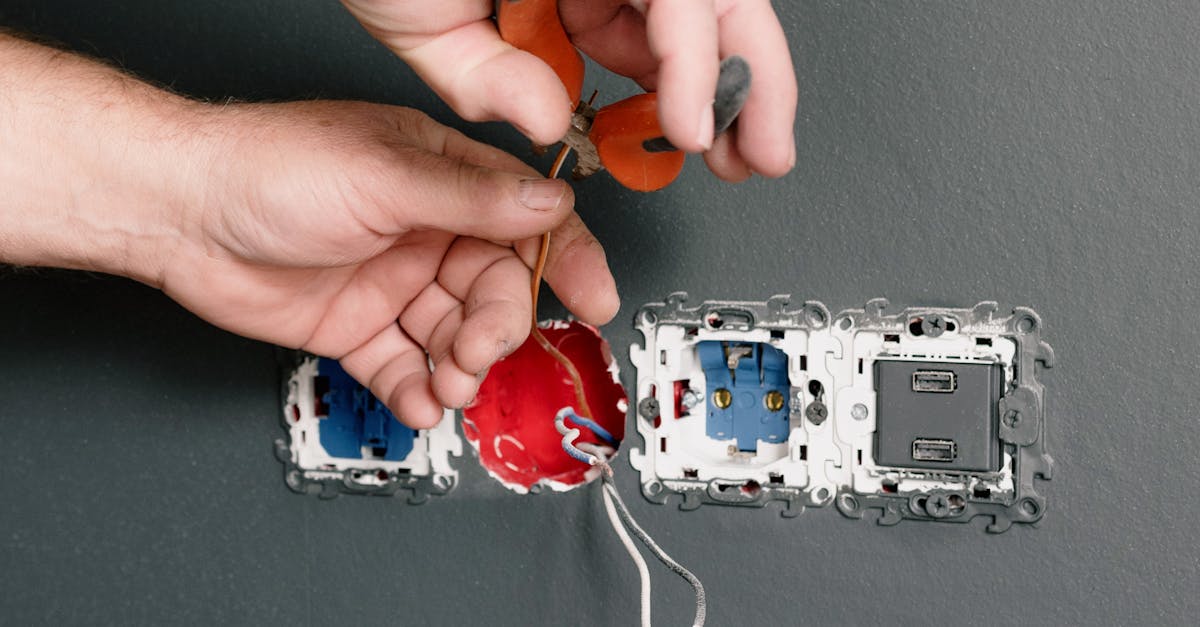
Table Of Contents
Installation Tips for Energy-Efficient Lighting
Upgrading to energy-efficient lighting can significantly improve the ambiance and reduce electricity costs in any home. Begin by assessing existing fixtures and determining which types of energy-efficient bulbs will fit. Consider alternatives such as LED or compact fluorescent lamps (CFLs), which provide more light per watt than traditional incandescent bulbs. Be mindful of the colour temperature of the bulbs; warmer tones tend to create a cosy atmosphere, while cooler tones can be energising.
Before installation, ensure that the power is switched off to prevent any accidents. If you are replacing a fixture, check for compatibility with the new bulbs. Proper positioning of lights is essential for achieving optimal illumination; use multiple light sources to reduce shadows, highlight specific areas, and promote a feeling of spaciousness. For outdoor lighting, utilise timers or motion detectors to optimise energy use while enhancing security.
DIY vs. Professional Installation
Many homeowners consider handling lighting upgrades themselves to save on costs. A DIY approach often appeals due to the potential for personal satisfaction and the opportunity to customise fixtures. Basic tasks, such as replacing bulbs or installing plug-in lamps, can be easily managed without professional assistance. However, more complex installations, such as recessed lighting or wiring modifications, require specific electrical knowledge and safety precautions.
Engaging a professional can streamline the process and ensure safety standards are met. Skilled electricians possess the expertise to navigate local building codes and regulations, minimising the risk of errors that could lead to issues down the line. While the upfront costs may be higher, professionals often provide a warranty on their work. This can alleviate future expenses related to repairs or re-installations, leading many to see the value in professional services.
Cost Considerations for Lighting Upgrades
When considering an energy-efficient lighting upgrade, it is crucial to understand the initial costs involved. Purchasing LED or CFL bulbs, fixtures, and any necessary equipment can seem expensive at first glance. However, many local and national incentives may offset these costs. Additionally, energy-efficient products often come with longer warranties, reducing replacement frequency and costs in the long run.
Evaluating the long-term savings from reduced energy bills is just as important as the upfront expenditure. Energy-efficient lighting can significantly lower electricity consumption, leading to substantial savings over time. Homeowners may find that the return on investment is quick, especially if they calculate the amount saved on their utility bills. It is beneficial to weigh these factors when deciding on the best options for lighting solutions.
Evaluating Initial Investment vs. Long-Term Savings
When considering energy-efficient lighting upgrades, many homeowners focus on the upfront costs without fully appreciating the potential for long-term savings. LED bulbs, for instance, may have a higher purchase price compared to traditional incandescent lights. However, their extended lifespan and lower energy consumption lead to significant savings on electricity bills over time. This shift in perspective requires an evaluation of the lifetime costs associated with different lighting options.
An essential part of making a well-informed decision is calculating the break-even point for your investment. Assess how quickly the savings on energy usage will cover the initial expenditure. In many cases, the return on investment becomes apparent within a few years, especially if energy prices continue to rise. Consider the environmental benefits as well, as energy-efficient lighting contributes to reduced carbon footprints and sustainable living.
Sustainable Lighting Practices
Utilising natural light effectively can significantly reduce reliance on artificial lighting. Homeowners can make strategic design choices, such as utilising large windows, skylights, and reflective surfaces. These features help to harness sunlight during the daytime, making spaces feel brighter and more inviting while cutting energy consumption. Additionally, incorporating light-coloured paint or furnishings can maximise ambient light and enhance a room's overall brightness.
Adopting smart lighting systems is another way to foster sustainable practices in residential spaces. These systems allow for precise control over lighting, enabling homeowners to adjust brightness levels based on occupancy and time of day. Many smart solutions integrate with mobile apps, making it easy to set schedules or automate lights while away from home. Moreover, using motion sensors and timers ensures that lights are only in use when necessary, further improving energy efficiency.
Eco-Friendly Tips for Residential Spaces
Embracing eco-friendly lighting options can significantly reduce energy consumption in homes. Opt for LED bulbs that use less electricity and have a longer lifespan compared to traditional incandescent options. Installing dimmer switches allows for better control over brightness, reducing energy usage when full light is unnecessary. Layering different types of lighting, such as task, ambient, and accent lighting, enables homeowners to optimise their energy use while enhancing the overall aesthetic of a room.
Incorporating smart lighting systems can further promote sustainable practices. These systems allow users to schedule lighting, adjust intensity remotely, and set timers that ensure lights are not left on unnecessarily. Natural light should also be maximised; strategic placement of mirrors can help distribute light throughout a space, reducing reliance on artificial sources. Finally, consider sourcing lighting fixtures made from recycled materials to minimise the carbon footprint associated with production.
FAQS
What are the benefits of upgrading to energy-efficient lighting in my home?
Upgrading to energy-efficient lighting can lead to lower energy bills, reduced environmental impact, longer bulb lifespan, and improved quality of light. It can also enhance the aesthetics of your space.
Can I install energy-efficient lighting myself, or should I hire a professional?
While some homeowners may opt for DIY installation of energy-efficient lighting, hiring a professional is recommended for complex setups or if you're unfamiliar with electrical work to ensure safety and proper installation.
What factors should I consider when budgeting for lighting upgrades?
When budgeting for lighting upgrades, consider the initial costs of the fixtures and bulbs, potential installation fees, and the long-term energy savings. Factor in any potential maintenance costs as well.
How can I evaluate the long-term savings of energy-efficient lighting compared to traditional options?
To evaluate long-term savings, compare the energy consumption of traditional bulbs to energy-efficient models, calculate the difference in electricity costs over time, and consider the longevity of the bulbs, which can reduce replacement frequency.
What are some eco-friendly tips for implementing sustainable lighting practices in my home?
Some eco-friendly tips include using LED bulbs, utilising natural light whenever possible, installing dimmer switches, and incorporating smart lighting systems that can be automated or controlled remotely to minimise energy use.
Related Links
Enhancing Home Ambiance with Custom Lighting DesignsChoosing the Right Lighting Fixtures for Your Home
Understanding Different Types of Residential Lighting
Importance of Professional Lighting Repairs
Steps for Proper Installation of Ceiling Lights
Benefits of LED Lighting for Tullamarine Residents
Common Lighting Issues and How to Fix Them
Essential Tips for Outdoor Lighting Installation