The Impact of DIY Electrical Work on Safety Inspections
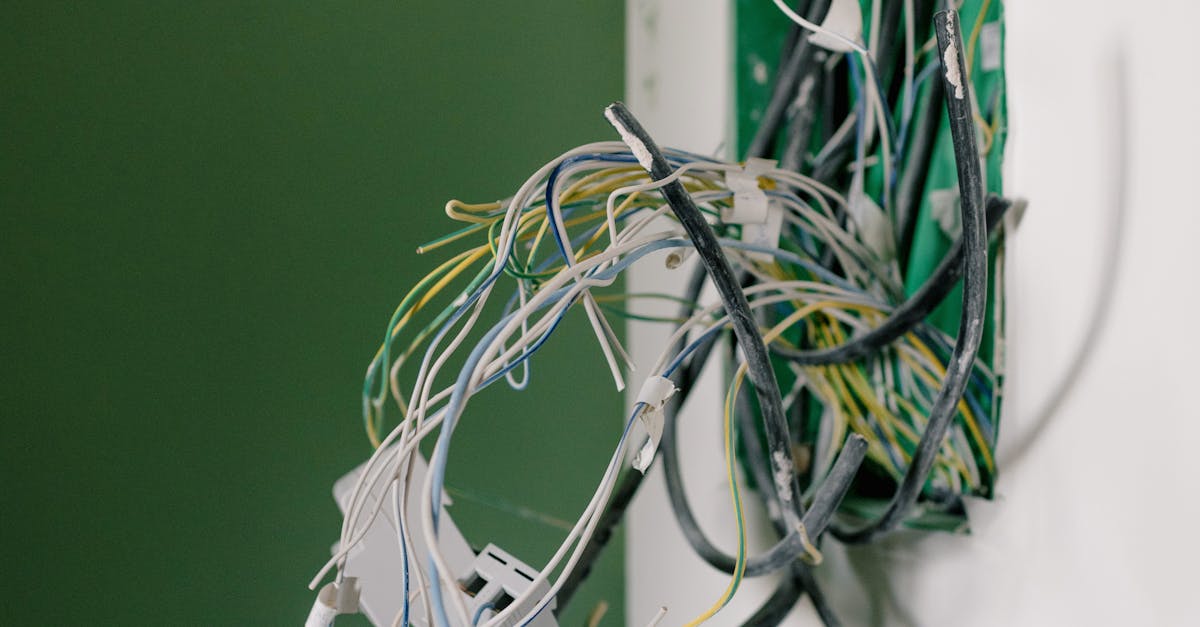
Table Of Contents
Indicators of Poor DIY Electrical Work
Homeowners often overlook signs indicative of subpar electrical work. Visible issues such as frayed wires, improper connections, and burnt outlets can signal potential hazards. Discolouration around outlets or switches may suggest overheating, while flickering lights or frequent tripping of circuit breakers indicate underlying electrical problems not immediately recognisable to the untrained eye.
In addition to visible signs, unusual smells or sounds from electrical appliances should raise red flags. A persistent buzzing noise or odour reminiscent of burning plastic is particularly concerning. Uneven appliance performance, or devices not operating efficiently, can also point to inadequate wiring or improper installation techniques. Recognising these indicators can prevent further complications and enhance overall safety in residential environments.
Signs That Warrant a Professional Inspection
Certain issues with electrical systems can indicate the need for a professional examination. Frequent circuit breaker trips often signal an underlying problem with the electrical load. Flickering lights may not just be an annoyance; they can suggest faulty wiring or poor connections. Any burning smells or visible signs of scorching around outlets or switches should be addressed immediately, as these are clear warning signs of potential fire hazards.
The presence of multiple extension cords in use also points to possible overloads in existing circuits. If homeowners notice any unusual heat emanating from outlets or switches, this too is a call for concern. Uncertainty about safety compliance with local regulations further emphasises the importance of seeking professional guidance. These indicators collectively highlight the necessity of engaging a licensed electrician to mitigate risks and ensure safety.
Benefits of Hiring Professional Electricians
Hiring professional electricians ensures that electrical work adheres to strict safety codes and regulations. These experts possess comprehensive knowledge of the latest standards, which guarantees that installations and repairs minimise risks. They can also identify potential hazards that a DIY enthusiast might overlook. This diligence protects not only the property but also the occupants from possibly severe accidents.
Furthermore, professional electricians come equipped with the right tools and equipment necessary for the job. Their expertise allows them to perform tasks more efficiently and accurately. Troubleshooting and resolving electrical issues can be complex, but experienced electricians can quickly diagnose problems and execute solutions effectively. Investing in professional services ultimately enhances overall safety and peace of mind for homeowners.
Expertise and Experience in Safety Standards
Professional electricians are trained to understand complex electrical systems and adhere to strict safety regulations. Their expertise allows them to identify potential hazards that an untrained DIY enthusiast may overlook. Having knowledge of the latest safety standards ensures that all installations comply with local laws and regulations, reducing the risk of electrical fires or electrocution.
Experience plays a crucial role in the quality of electrical work performed. Professionals bring years of hands-on expertise which translates into safer installations. They can troubleshoot problems efficiently and implement solutions that meet the highest safety criteria. This level of proficiency is often beyond the grasp of those tackling electrical projects without proper training, highlighting the importance of hiring qualified individuals for such tasks.
Strategies for Ensuring Safe Electrical Work
Prioritising safety is crucial when tackling electrical work at home. A thorough understanding of the basics of electrical systems can significantly reduce risks. Before commencing any project, it is essential to research local regulations and codes. This ensures compliance with legal requirements, which often include safety standards that need to be met. Always switch off power at the circuit breaker before starting any tasks to prevent accidental shocks. Utilising the right tools and wearing appropriate safety gear adds another layer of protection and should never be overlooked.
Planning the project carefully can mitigate potential hazards. Create a detailed outline of the work to be done, including necessary materials and timeframes. This preparation helps in identifying any complexities that might require professional assistance. Keeping the workspace organised and free from unnecessary clutter promotes a safer environment. Regular breaks during the project can maintain focus and reduce fatigue, which is when accidents are most likely to occur. By adhering to these strategies, DIY enthusiasts can enhance their safety while undertaking electrical tasks.
Best Practices for DIY Enthusiasts
Before starting any electrical project, enthusiasts should thoroughly research the specific tasks they intend to undertake. Understanding local electrical codes and regulations ensures compliance and helps avoid potential hazards. Additionally, obtaining the proper permits can prevent complications when selling the property or during safety inspections. This groundwork fosters a safer environment for any electrical work undertaken.
Safety gear is essential when engaging in DIY electrical tasks. Wearing insulated gloves and safety goggles protects against accidental shocks and flying debris. Testing equipment frequently can distinguish between live wires and inactive circuits. Ensuring tools are in good condition prevents malfunctions that could lead to accidents. Following these guidelines enhances the overall safety and effectiveness of DIY electrical projects.
FAQS
What are some indicators of poor DIY electrical work?
Indicators of poor DIY electrical work may include unprofessional wiring, exposed wires, incorrect use of electrical components, signs of overheating such as burnt marks, and frequent circuit breaker trips.
When should I consider hiring a professional for an electrical inspection?
You should consider hiring a professional for an electrical inspection if you notice any signs of electrical issues, such as flickering lights, unusual sounds from outlets, burnt smells, or if you're planning a major electrical project that exceeds your skill level.
What are the benefits of hiring professional electricians?
The benefits of hiring professional electricians include their expertise and experience, adherence to safety standards, access to the latest tools and technology, and the ability to identify and resolve potential hazards that may not be visible to the untrained eye.
How do professional electricians ensure compliance with safety standards?
Professional electricians ensure compliance with safety standards by staying up to date with local codes and regulations, conducting thorough inspections, using quality materials, and applying their training and experience to guarantee that installations are safe and effective.
What are some best practices for DIY enthusiasts working on electrical projects?
Best practices for DIY enthusiasts include researching and understanding local electrical codes, using appropriate tools and materials, turning off the power before starting any work, testing circuits for live voltage, and consulting with a professional for complex tasks or if in doubt.
Related Links
What to Expect from a Comprehensive Electrical Safety InspectionHow Often Should You Schedule an Electrical Safety Inspection
Tips for Choosing the Right Electrician for Safety Inspections
Post-Inspection Recommendations: Ensuring Ongoing Electrical Safety
The Role of the Electrician During Your Home Safety Inspection
Common Electrical Hazards Found During Home Safety Inspections
How to Prepare for an Electrical Safety Inspection in Tullamarine
Key Signs Your Home Needs an Electrical Safety Inspection