Optimal Emergency Lighting Installations for Commercial Spaces
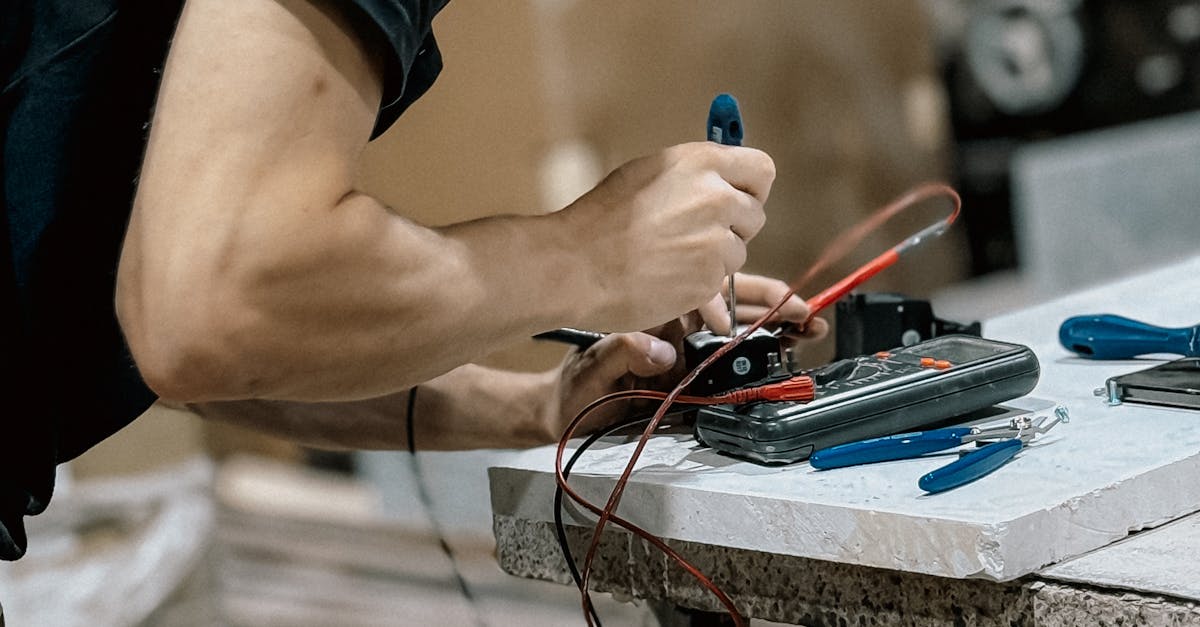
Table Of Contents
Maintenance and Testing Requirements
Emergency lighting systems require regular maintenance to ensure optimal functionality during critical moments. Routine inspections should involve testing individual lights for lumen output and battery performance. Components such as control panels, emergency exit signs, and backup power supplies must also be examined for wear and tear. Establishing a comprehensive maintenance log can help track the performance history and schedule necessary repairs or replacements.
In addition to regular inspections, compliance with local regulations is vital. Many jurisdictions mandate scheduled testing intervals, typically every six months, to verify that all units are operational. This includes conducting monthly visual checks of lighting fixtures and an annual full discharge test to gauge battery life and effectiveness. Following these guidelines not only boosts safety standards but also enhances overall emergency readiness within a commercial environment.
Establishing a Regular Inspection Schedule
Regular inspections are essential for ensuring the reliability and functionality of emergency lighting systems. These inspections should be conducted at least once a month to verify that all lights are operational and any potential issues are identified promptly. A checklist can be implemented to streamline these assessments, covering crucial aspects such as battery health, bulb functionality, and the condition of wiring. Documenting each inspection helps in maintaining compliance with safety regulations and provides a clear record of the system's performance over time.
Incorporating testing into the scheduled inspections is equally important. This generally involves activating the emergency lighting systems for a specified duration, typically lasting 30 minutes, to simulate actual emergency conditions. Regular testing not only confirms the effectiveness of the lights but also allows personnel to become familiar with their operation during a real emergency. The outcome of these inspections and tests should be reviewed periodically to adjust maintenance practices and improve the overall safety of the commercial space.
Integration with Existing Lighting Systems
Incorporating emergency lighting into existing systems requires careful planning and consideration of the primary lighting setup. Compatibility with current fixtures and controls is crucial to ensure optimal functionality. A thorough evaluation of the existing electrical infrastructure can help identify the best approach for integration. Consideration must also be given to the layout of the space, as emergency lighting needs to provide adequate coverage while maintaining aesthetic coherence with existing designs.
Coordinating the emergency lighting system with standard lighting allows for a more streamlined operation during emergencies. By utilising the same circuits or controls, businesses can simplify maintenance and testing processes. It is important to assess the switchgear and circuit configurations to ensure that emergency lights activate appropriately in case of power failure. This integration not only enhances safety but can also lead to cost efficiencies in energy use and equipment maintenance.
Creating a Seamless Transition
When integrating emergency lighting with existing systems, it is essential to ensure design compatibility. This involves assessing the aesthetics of current fixtures alongside performance requirements. Uniformity in design can help maintain the overall appearance of the space while ensuring that emergency lighting remains effective. Attention to detail, such as matching colours and styles, can contribute to a more professional environment.
Testing and maintenance strategies should also be aligned with the existing lighting framework. Developing a comprehensive plan that includes these elements helps anticipate potential issues before they arise. Regular updates and checks can prevent discrepancies and keep the emergency lighting functional, ensuring a prompt response during emergencies. Integrating these systems thoughtfully promotes both safety and efficiency within commercial spaces.
Emergency Lighting for Different Commercial Sectors
Diverse commercial sectors have unique requirements when it comes to emergency lighting systems. Retail spaces benefit from bright, unobtrusive lighting that maintains visibility without overwhelming product displays. Clear pathway illumination is paramount, allowing customers and staff to navigate safely during emergencies while minimising disruption to the shopping experience. In contrast, office environments prioritise functionality and ease of movement. Emergency light fixtures must integrate harmoniously within existing décor, ensuring that exits and stairwells are effectively marked without detracting from the workplace’s professional aesthetic.
Warehouses present different challenges regarding emergency lighting. The expansive layout necessitates robust systems capable of casting light over large areas. Effective lighting in these settings not only guides personnel to safety but also protects valuable inventory and equipment during unforeseen events. Tailored emergency lighting solutions must account for high shelves and heavy machinery. This ensures that every part of the warehouse is adequately lit, maintaining safety standards while supporting operational efficiency. Understanding the distinct needs of each sector is essential for implementing effective emergency lighting strategies.
Tailored Solutions for Retail, Offices, and Warehouses
Retail environments require emergency lighting solutions that enhance safety while maintaining the shopping experience. Lights should be strategically placed to illuminate exit paths, display areas, and check-out counters, ensuring visibility without disrupting merchandise presentation. These installations must comply with Australian safety regulations, which mandate that exit signs be clearly visible and functional during emergencies. Effective solutions also include utilising signage that directs customers to safety, ensuring smooth evacuation.
In office settings, emergency lighting needs to consider open-plan layouts and individual room configurations. It is crucial to ensure that pathways to exits are well lit, especially in larger buildings with complex floor plans. The lighting design should account for potential obstructions and aim to create a safe, well-defined route to exits. For warehouses, emergency lighting must be robust enough to withstand a dynamic environment, including high ceilings and extensive shelving. It is essential to provide adequate illumination for employees to navigate safely during power outages while also lighting critical machinery and emergency equipment.
FAQS
What are the key maintenance requirements for emergency lighting systems?
Emergency lighting systems should be regularly tested and maintained to ensure they are functional during an emergency. This includes monthly visual inspections and annual full discharge tests to confirm the lights work properly and meet safety standards.
How often should I schedule inspections for emergency lighting?
It is recommended to establish a regular inspection schedule, typically on a monthly basis for visual checks and annually for more thorough testing. This helps ensure that the systems are always ready for use if needed.
Can emergency lighting be integrated with existing lighting systems?
Yes, emergency lighting can be integrated with existing lighting systems to provide a seamless transition during power failures. This involves planning the layout and ensuring compatibility with current fixtures and controls.
What types of emergency lighting solutions are suitable for different commercial sectors?
Different commercial sectors require tailored solutions for emergency lighting. Retail spaces may benefit from exit signs and ambient lighting, while offices might need corridor lighting. Warehouses often require high-output emergency lights to cover larger areas effectively.
Why is it important to have a tailored emergency lighting solution for my business?
Tailored emergency lighting solutions ensure that specific needs and risks associated with your commercial space are addressed. This enhances safety and compliance with regulations, while effectively guiding occupants during an emergency.
Related Links
Compliance Standards for Emergency Lighting in Australian BusinessesTroubleshooting Common Issues with Emergency Lighting Systems
Cost-Effective Emergency Lighting Options for Businesses
Innovative Technologies in Emergency Lighting Solutions
The Role of Emergency Lighting in Evacuation Procedures
Choosing the Right Emergency Lighting for Large Buildings
Maintenance Practices for Emergency Lighting in Workplaces