Maintenance Tips for Long-lasting Office Lighting
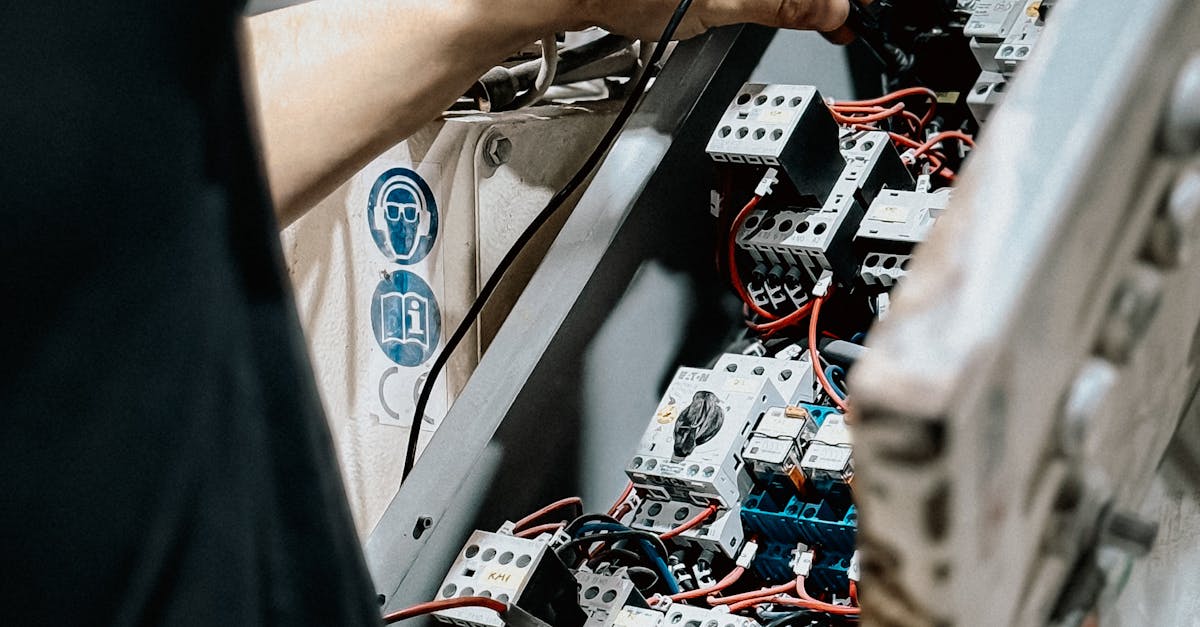
Table Of Contents
Upgrading to Energy-Efficient Bulbs
Switching to energy-efficient bulbs is a strategic move for enhancing office lighting. These bulbs consume significantly less energy compared to traditional incandescent options. Not only do they reduce electricity costs, but they also have a longer lifespan, which means less frequent replacements. This transition can lead to substantial savings over time, making it an attractive choice for businesses.
While upgrading, consider the specific needs of your office environment. The brightness and colour temperature of the new bulbs should align with workplace activities. Choosing the right type can improve productivity and employee comfort. By thoughtfully selecting energy-efficient lighting, you can create a more inviting and effective workspace.
Advantages of LED Lighting
LED lighting offers numerous benefits for office environments. These bulbs consume significantly less energy compared to traditional incandescent or fluorescent options. This increased efficiency translates to lower electricity bills, which is a crucial consideration for businesses focused on reducing operational costs. Additionally, LED lights have a remarkably long lifespan, often lasting up to 25,000 hours or more. This longevity reduces the frequency of replacements, saving both time and resources on maintenance.
Beyond cost savings, LED lights provide excellent brightness and clarity. They come in a variety of colour temperatures, allowing businesses to create the desired atmosphere for their office spaces. The ability to choose different shades means employees can work in environments that enhance productivity and well-being. Furthermore, LED technology is less harmful to the environment, as it contains no hazardous materials like mercury, which is often found in fluorescent lights. This aspect makes LEDs a sustainable choice, aligning with green initiatives many companies aim to promote.
Monitoring Electrical Connections
Regularly inspecting electrical connections is essential for maintaining optimal office lighting. Loose wires and connections can lead to flickering lights or even complete failures, which disrupts productivity. It's necessary to check for signs of wear, such as fraying insulation or corrosion on terminals. Ensuring that connections are secured tight can prevent unnecessary energy loss and keep the lighting systems running efficiently for longer periods.
Equip your maintenance team with the right tools and techniques to perform these checks safely. When inspecting connections, remember to switch off the power supply to avoid any electrical hazards. Documenting any issues during these inspections allows for timely repairs and can help in identifying recurring problems. A proactive approach to monitoring connections can significantly reduce the need for emergency repairs and extend the lifespan of your office lighting.
Ensuring Safe and Reliable Power Sources
A secure electrical infrastructure is essential for the performance of office lighting systems. Regular checks of outlets, wiring, and circuit breakers can prevent hazards such as short circuits or electrical fires. Use qualified electricians for any repairs or upgrades. An assessment of the entire electrical setup ensures that it meets current safety standards.
Monitoring power sources also involves keeping track of any flickering lights or unusual sounds from fixtures. These signs may indicate underlying electrical issues that require immediate attention. Implementing surge protectors can safeguard against power spikes, which often damage lighting systems. Consistent oversight will help maintain a reliable power source and prolong the lifespan of office lighting.
Scheduling Routine Inspections
Regular inspections of office lighting systems can significantly enhance their longevity and efficiency. Scheduling these inspections allows for early detection of issues such as flickering lights, inconsistent brightness, or unusual buzzing sounds, which may indicate underlying electrical problems. Moreover, routine checks provide an opportunity to clean fixtures and components, ensuring that dust and dirt do not hinder light output or heat dissipation.
Establishing a maintenance calendar is essential for keeping track of inspection dates and tasks. This proactive approach helps maintain a consistent schedule, ensuring that lighting systems are routinely monitored and serviced. Documentation of inspection findings can also assist in identifying recurring issues, allowing for informed decisions about future upgrades or replacements. By prioritising these assessments, businesses can prevent unexpected failures and create a reliable lighting environment.
Establishing a Maintenance Calendar
Creating a maintenance calendar is essential for ensuring consistent and optimal performance of office lighting systems. This calendar should outline specific tasks, such as replacing bulbs, cleaning fixtures, and checking electrical connections. Scheduling these activities at regular intervals allows for proactive measures, reducing the likelihood of outages or malfunctions. An organised approach also aids in budgeting for maintenance costs and helps to track the lifespan of components.
Involving team members in the maintenance process can enhance accountability and awareness regarding lighting upkeep. Assigning responsibilities for particular tasks fosters a culture of ownership among staff. Regular reminders or notifications about upcoming maintenance duties can streamline the process further. Documenting performed maintenance activities and any observations can also provide insights into patterns or recurring issues that may need addressing.
FAQS
What are the benefits of upgrading to energy-efficient bulbs?
Upgrading to energy-efficient bulbs, such as LEDs, can significantly reduce energy consumption, lower electricity bills, and decrease the frequency of bulb replacements, contributing to long-term savings and a smaller carbon footprint.
How can I ensure the safety of my office lighting system?
To ensure safety, regularly monitor electrical connections for signs of wear or damage, use quality power sources, and adhere to electrical codes. It's also advisable to consult a licensed electrician for any repairs or upgrades.
What should I include in a maintenance calendar for office lighting?
A maintenance calendar should include scheduled inspections, bulb replacements, cleaning schedules for fixtures, and checks on electrical connections. Regular entries will help keep your lighting system functioning optimally and extend its lifespan.
How often should I schedule routine inspections for office lighting?
It's recommended to schedule routine inspections at least once a year, but depending on the usage and type of lighting, more frequent checks every six months may be beneficial to ensure everything is in good working order.
What are the advantages of LED lighting over traditional bulbs?
LED lighting is more energy-efficient, lasts longer, produces less heat, and offers better light quality compared to traditional bulbs. They also come in various colours and can enhance the overall aesthetic of the office environment.
Related Links
The Importance of Natural Light in Office EnvironmentsInnovative Smart Office Lighting Solutions
How Office Lighting Affects Employee Well-being
How to Reduce Energy Costs with Office Lighting Upgrades
Essential Guide to Office Lighting Regulations in Australia
Creative Office Lighting Designs for Modern Workspaces
Choosing the Right Office Lighting for Productivity