Choosing the Right Emergency Lighting for Your Home
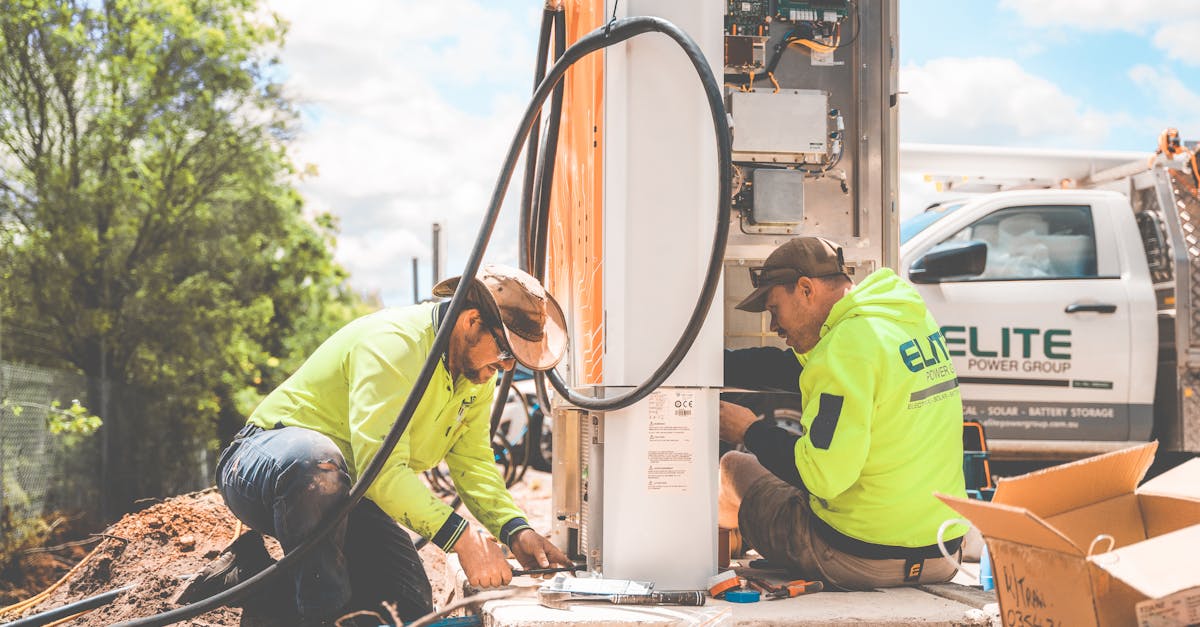
Table Of Contents
Installation Considerations
When planning the installation of emergency lighting, assessing the layout of your home is crucial. Identify areas that may require additional illumination during a power outage or emergency situation. High-traffic zones such as hallways, staircases, and entryways should be prioritised. Consider the potential need for exterior lighting to guide family members safely out of the house. Moreover, the positioning of lights impacts their effectiveness. Mounting them at appropriate heights ensures maximum visibility.
Choosing suitable fixtures also plays a significant role. Various options are available, including battery-operated and hardwired systems. Battery-operated units offer flexibility and can be easily added to existing setups, while hardwired systems may require more extensive installation but typically provide a longer-lasting solution. Ensure compliance with local regulations when selecting products. It may be beneficial to consult with a professional for advice on the best choices for your specific environment and requirements.
DIY vs. Professional Installation
When considering installation methods for emergency lighting systems, homeowners often weigh the benefits of tackling the job themselves against hiring a professional. DIY installations can offer a sense of satisfaction and potential cost savings. However, it’s essential to have a comprehensive understanding of electrical systems and local regulations to ensure compliance with safety standards. Individuals who lack experience may encounter challenges, leading to improper setup which could compromise safety.
On the other hand, enlisting a qualified electrician guarantees adherence to legal requirements and optimal installation practices. Professionals bring expertise that ensures the emergency lighting functions correctly in critical situations. This not only enhances safety but also provides peace of mind for homeowners. While the initial investment may be higher, the long-term reliability and functionality of the system often justify the expense.
Maintenance Tips for Emergency Lighting
Regular maintenance of emergency lighting systems is essential to ensure they function effectively when needed. It is advisable to inspect the units monthly. Check for any signs of damage, such as cracked lenses or loose connections. Test the light output to confirm that the illumination is at the required levels. Replace any burnt-out bulbs promptly to maintain reliability.
Annual maintenance should involve more comprehensive checks. This includes testing the batteries to ensure they hold a sufficient charge and replacing them if they are nearing the end of their life. Keeping detailed records of all maintenance activities can aid in compliance with local regulations. This documentation can also help identify patterns that might indicate the need for system upgrades or replacements.
Ensuring Reliability Through Regular Checks
Regular checks on emergency lighting systems are vital for ensuring they function effectively when needed. It is advisable to test the lights monthly, making sure they illuminate properly and maintain their brightness. This simple maintenance routine can help identify any issues early, preventing potential failures during an emergency situation. Additionally, consider keeping a log of these tests, documenting the date, time, and any malfunctions noted.
Maintenance is not just about testing the lights; it also involves inspecting batteries and backup power sources. Ensure that batteries are free from corrosion and are replaced according to manufacturer recommendations. A system that relies on batteries should also undergo annual endurance tests, simulating a power outage to confirm that the lights will remain functional for the specified period. Taking these steps can significantly enhance the reliability of emergency lighting in your home.
Legal Requirements and Standards
Homeowners must be aware of various legal requirements and standards pertaining to emergency lighting systems. Australian legislation often mandates specific lighting solutions in commercial spaces, but these requirements can influence residential installations as well. Familiarity with the building codes relevant to emergency lighting is essential. Standards set by organisations such as Standards Australia provide a framework ensuring that systems meet minimum safety criteria.
Local regulations may differ significantly, which can affect the installation and maintenance of emergency lighting. Some regions require inspections or specific testing timelines to ensure compliance. Homeowners should consult with local councils or fire safety authorities to understand the applicable regulations. Staying informed helps to create a safe living environment while avoiding potential penalties for non-compliance.
Understanding Local Regulations for Safety
Local regulations play a crucial role in determining the type and placement of emergency lighting. Many regions have specific laws that outline the minimum requirements for emergency lighting systems in residential properties. Understanding these regulations can help homeowners not only comply with the law but also enhance safety for their families and guests. Consulting with local councils or fire authorities can provide valuable insights into the necessary guidelines and standards.
Staying informed about updates or changes to these regulations ensures that your home remains compliant over time. Regularly review any local amendments and consider how they may affect your current emergency lighting system. Working with licensed professionals familiar with local laws can also streamline the installation process and guarantee that your chosen system meets all applicable safety standards.
FAQS
What types of emergency lighting are best for home use?
The best types of emergency lighting for home use include battery-operated LED lights, solar-powered lights, and hardwired systems. Each option offers different benefits depending on your specific needs and setup.
Can I install emergency lighting myself, or should I hire a professional?
You can install emergency lighting yourself if you have the necessary skills and tools, particularly for battery-operated options. However, for hardwired systems, it's recommended to hire a professional to ensure proper installation and compliance with local regulations.
How often should I check my emergency lighting systems?
It's advisable to check your emergency lighting systems at least once every three months. This includes testing the functionality of the lights and replacing batteries or bulbs as needed.
Are there specific legal requirements for emergency lighting in homes?
Legal requirements for emergency lighting can vary by location. It's important to check local regulations and building codes to ensure compliance, as some areas may have specific guidelines regarding installation and maintenance.
What should I do if my emergency lighting fails during a power outage?
If your emergency lighting fails during a power outage, first check the batteries or power source. If the issue persists, refer to the manufacturer's troubleshooting guide. Regular maintenance and checks can help prevent such failures.
Related Links
Upgrading Your Emergency Lighting: When and WhyCost Considerations for Emergency Lighting Systems
How Emergency Lighting Enhances Safety During Blackouts
Maintenance Procedures for Emergency Lighting Systems
Understanding the Regulations for Emergency Lighting Installation
Key Features to Look for in Emergency Lighting Systems
Importance of Emergency Lighting in Tullamarine Commercial Spaces
Installation Tips for Efficient Emergency Lighting Solutions